Posts Tagged ‘Respect’

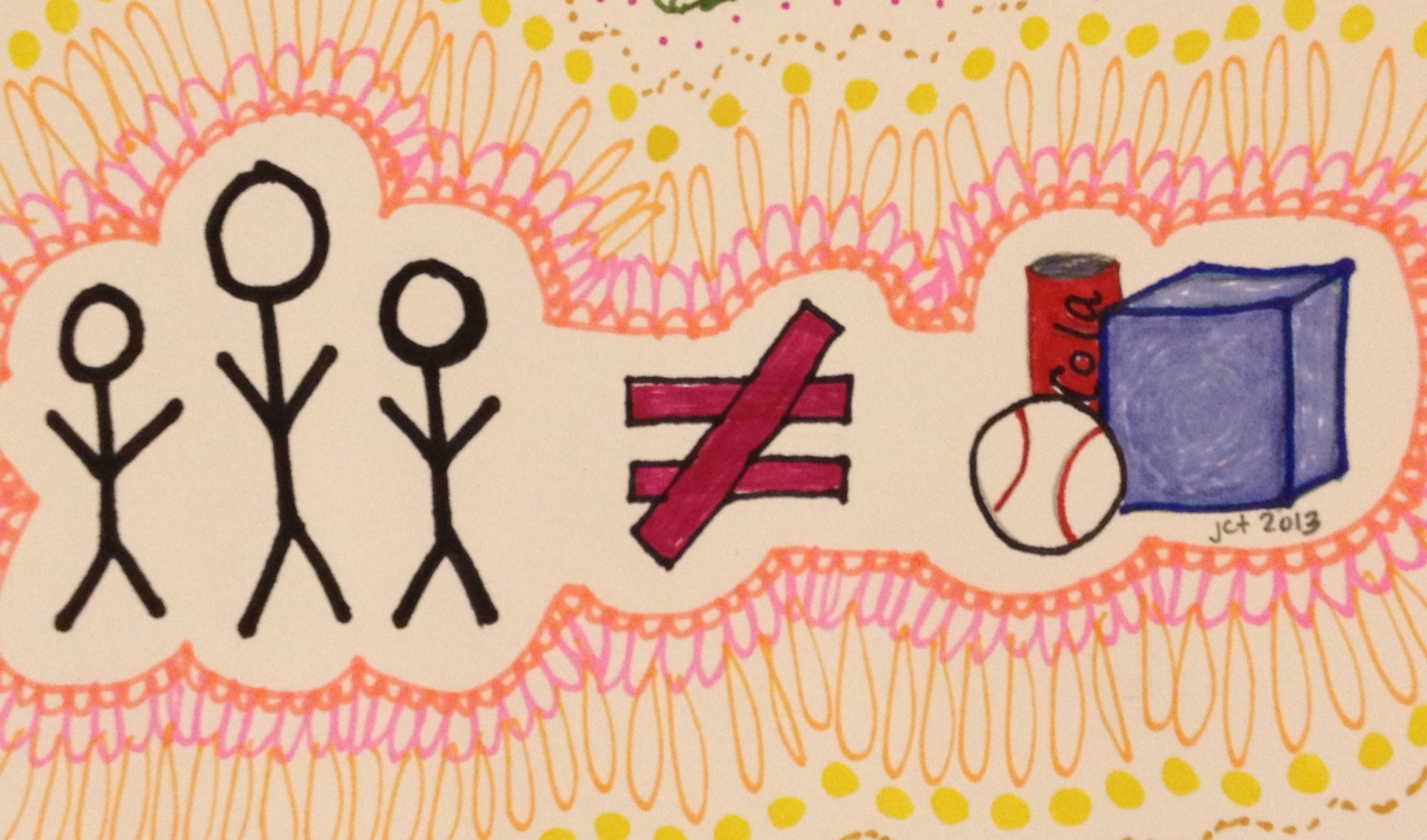
Teaching Kids that People Are Not Objects

Teaching kids that people are not objects can open a lot of conversations.

[Trigger Warning: Sexual abuse]

When I was in training to become a Lutheran Deaconess, one of the requirements was to learn about recognizing, responding to and preventing sexual abuse. It was my first real understanding of the dynamics of power and abuse. Now as a parent, I teach my child about abuse in age-appropriate ways so he develops healthy ideas about giving and receiving respect.

People Are Not Objects

It seems to me that a lot of abuse happens when people stop seeing others as people. In this distorted and sinful perception of others as objects, real people are beaten, bullied, and discarded at will.

But people are not objects! They are living beings with rights, needs, and feelings. All people are worthy of dignity and respect, no matter what!

Object Lessons

I often use the phrase, “people are not objects” when I talk with my son about abuse in all forms. It is simple to grasp, yet opens many conversations.

We discussed “people are not objects” in a simple form when my son was in preschool. “We do not hit other kids because they have feelings; it is okay to hit your punching bag because it does not have feelings.”

When he was in public school, together we attended a presentation about bully-prevention. Since then we continue to talk about how bullies treat other people like objects and that is wrong. We talk about ways to avoid being bullies as well as the importance of standing up for ourselves and others.

When my son told me that his peers referred to girls as “hotties,” I told him girls are not just things to be judged by their appearance. When we discussed this year’s Super Bowl ads, he said, “You probably don’t like that ad because it treats people like objects.”

Framework for the Future

These are just a few vignettes of the types of conversations we have. While we have never had to face the horror of serious abuse, we have been talking about milder forms for years now.

I have deliberately given him words to identify the problem with treating others as objects. The framework we’ve built can support our future conversations. As the threats and temptations get more serious, we can relate new concerns to established ideals.

I recognize that I can’t protect my child from every possible threat. And as time goes on, he will be responsible for the decisions he makes in how he treats others. Still, talking with him about it throughout his life is the best way I know to help him recognize, respond to and prevent abuse in all forms. These conversations are imporant because people are not objects.
5 Reasons Being on the Fence is Hard

20130420-185555.jpg

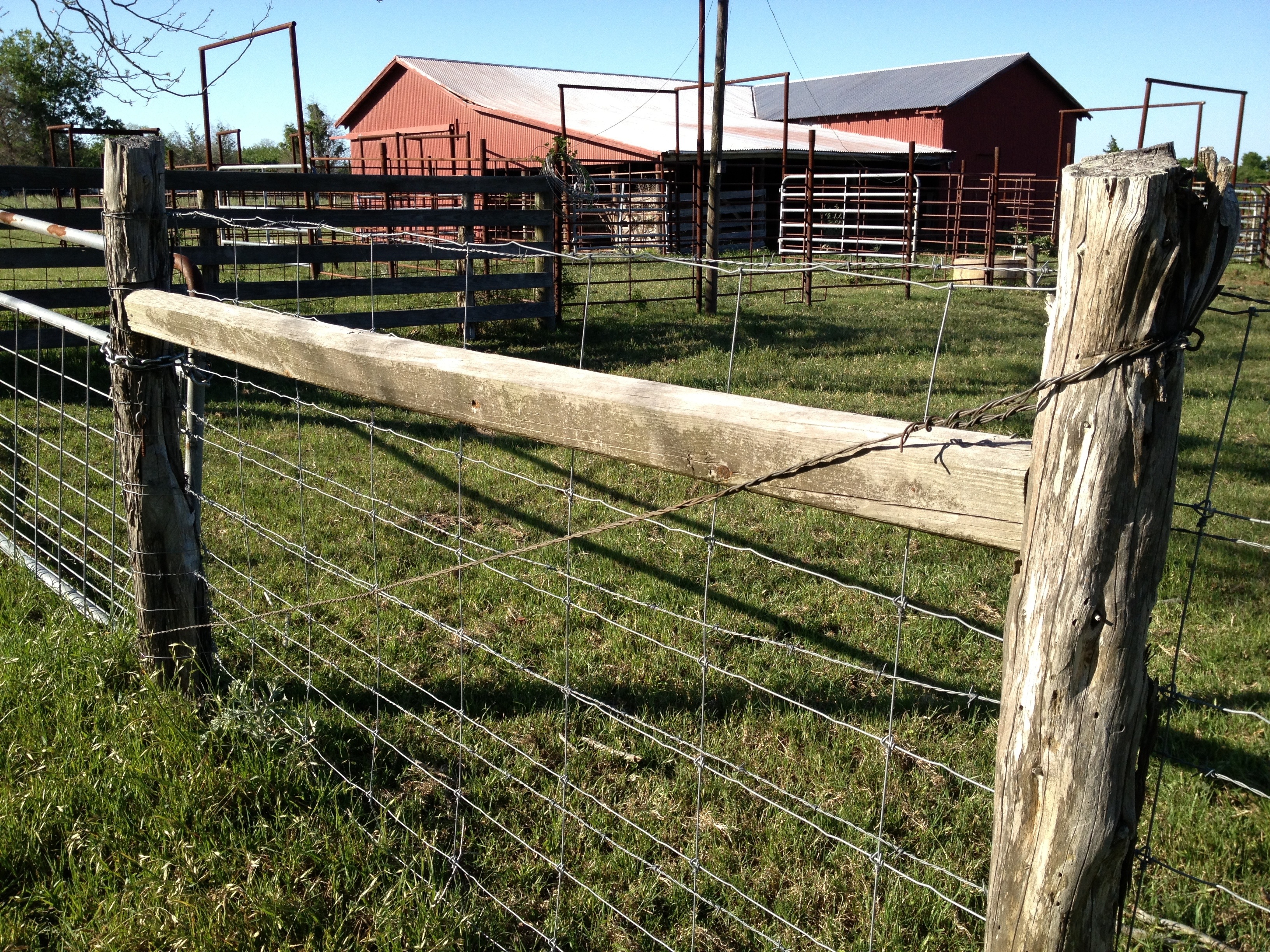
Have you ever been accused of being on the fence on a tough issue? People don’t realize how many of us there are because we’re not the ones making headlines. They also don’t realize being on the fence isn’t easy. Here are five reasons why being on the fence is harder than people think.

1. People Think We’re Just Sitting Here, Not Caring

The people on the extremes of an issue advocate legislation, push the envelope, and get noticed. Since we’re not in the public square making our position clear, they think we’re just sitting here on our fence, not caring about the issue at hand.

They imagine us here, blissfully unaware of the heated debate all around us. They think, because we haven’t chosen one side or the other, we simply don’t care. While that may be true for inconsequential matters, we do care about the big stuff. Its just that the way we care doesn’t look like the way an activist cares.

2. People Don’t Understand the Fence as a Position

People assume just because we haven’t chosen “either/or” we don’t have an opinion. They say we’re undecided. They don’t seem to appreciate that we chose the fence for a reason.

What they don’t realize is that we’re as passionate about the issue as they are. Our decision to take middle ground is often just as intentional as their choice to take a side. We’re not undecided, we have simply chosen a highly nuanced position somewhere in the middle.

3. Sometimes We Agree with Both Sides

Our nuance often comes from the reality that we can see merit on both sides of the issue. We think both camps have valid points and we take a position that embraces the best of both.

It’s hard to talk about the issue with people who want us to pick a side when we agree with them and their opponents. When we nod in agreement on their concerns and also nod with their opposition, they think we’re being disloyal.

4. Other Times We Disagree with Both Sides

On some issues our nuance comes from the conviction that both extremes are just wrong. We hear all the arguments on both sides and neither one seems a suitable option. We don’t pick one or the other because there just isn’t a good choice between them.

We take our perch on the fence because we find balance there, avoiding the muck on both sides. The trouble then is, we’re easy targets on that fence because we’re everyone’s opposition.

5. Some Fences Just Plain Hurt

Oh sure, some fences are sturdy and comfortable, but other fences are rickety or barbed. Being on the fence can be pleasant, but sometimes being on the fence itself is dangerous.

When the moderate position has its own dangers and difficulties, it can be tempting to just choose a side. Sometimes being on the fence hurts like barbed wire but we do it because we’re convinced that’s where we’re supposed to be.

What the Fence Could Be

Maybe if more people understood why being on the fence is so hard, they’d give us a break. Maybe if we could somehow articulate why we take the middle ground, they’d see that we care. And maybe if we could better communicate our nuanced view they might even help us bend back some barbs and join us on the fence.

Do you wish more people would take a nuanced view of controversial topics? Or are you on the fence about that?

The Teacher Who Showed Us Jesus and Gave Us a Conscience

20130401-183713.jpg

Welcome to “Tuesday Tributes,” a new series here on the blog. The series is about lifting up people who have impacted our lives. They may be our teachers, neighbors, parents, friends, or mentors.

Each Tuesday I will share a story about someone who has inspired me, mentored me in the faith, or shaped my character. Then you can tell your stories in the comments about someone who has impacted you in a similar way.

Today’s tribute is about Mrs. Bricker who was my 5th grade teacher.

How do public school teachers manage to remain faithful to Christ when they are not supposed to invoke his name in the classroom? If Christians are to be light to the world, how much are public school teachers allowed to shine before administration tells them to hide it under a bushel?

I don’t know if Mrs. Bricker ever told us she was a Christian that year, but when I found that out it was not a surprise to me. She probably wasn’t supposed to talk about such things, but even without talking about Jesus, she showed us his love.

Mrs. Bricker worked with us to write our own class rules. She encouraged us to think out-loud together about the importance of respecting one another.

She modeled respect in how she treated each one of us. She never raised her voice. She didn’t have to because we respected her.

When we misbehaved for other teachers, Mrs. Bricker corrected us calmly. She was clear that we had messed up, but her kindness gave us hope that we could do better.

Toward the end of the year Mrs. Bricker taught us a poem that she memorized in school. It was called, “Myself” and the author wrote about wanting to make choices that he could live with. Mrs. Bricker told us that these words had always stuck with her and made her think of the choices she made in life.

Each of us was required to recite the poem aloud to the class. We didn’t have to memorize it but I have always remembered the lessons she taught us with it.

The last couple of lines always stuck with me,

Whatever happens I want to be

Self respecting and conscience free.

I felt inspired by this idea of behaving in ways that would leave me with a clean conscience. The poem resonated with me all the more because Mrs. Bricker showed us what it looked like to live that way.

Like I say, Mrs. Bricker didn’t cross any lines separating church and state. She simply showed us Jesus by respecting us, and teaching us to respect one another. I believe she was Jesus to us when she gave us dignity even when we did undignified things. Through modeling “conscience free” living, she was pointing us to God’s better way for our lives.

When I speak to groups about living out their faith in their everyday lives, inevitably someone raises the question of “what if my job won’t let me talk about Jesus?” I think of people in my life like Mrs. Bricker and I tell them you do it by showing them the love of Jesus through your love and respect for them.

What about you? Do you recall teachers who both gave and received respect in the classroom? Who has helped shape your character or conscience? Who in your life has shown you the love of Jesus in how they have treated you?